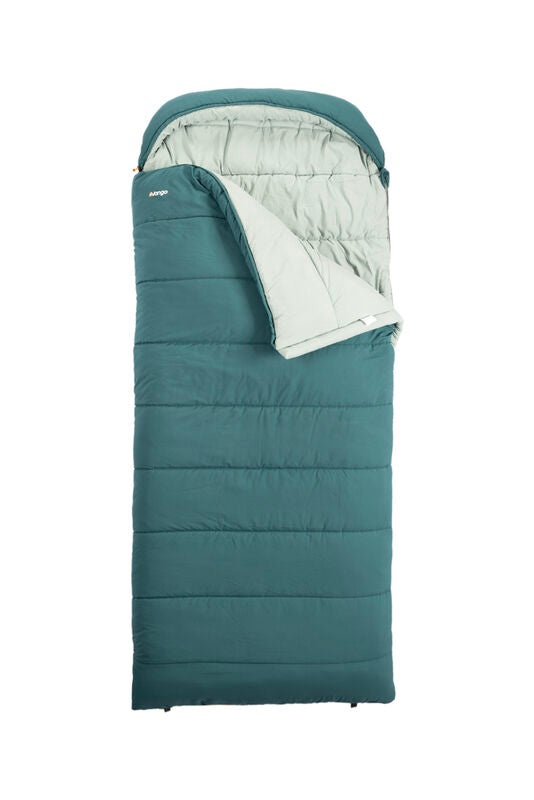
Owning a Vango sleeping bag is an investment in comfort and durability during your camping adventures. With proper care, your sleeping bag can remain soft, warm, and functional for many seasons. Follow this detailed guide to maintain your sleeping bag and protect your investment.
1. Choosing the Right Sleeping Bag for Use
Before even thinking about care, ensure you are using your sleeping bag within its intended conditions:
Temperature rating: Don’t push a summer bag into freezing conditions. Using a bag outside its rating stresses the insulation.
Environment: Avoid exposing your bag to excessive dirt, sand, or sharp objects that can tear the outer fabric.
2. Daily Use Tips
Simple habits while camping can extend your sleeping bag’s lifespan:
Use a liner: A sleeping bag liner protects the interior from body oils, sweat, and dirt. Wash liners regularly; it’s easier than washing the whole sleeping bag.
Keep it dry: Moisture damages insulation. If your sleeping bag gets damp, air it out as soon as possible. Avoid leaving it in a wet tent overnight.
Avoid compression: Sleeping bags should not be compressed more than necessary during use. Loosely fold or lay it flat when possible.
3. Cleaning Your Sleeping Bag
Vango sleeping bags typically require gentle cleaning. Follow these steps:
A. Spot Cleaning
For small stains, use a mild soap and a damp cloth.
Gently rub the soiled area and rinse with clean water.
Avoid scrubbing aggressively, which can damage fabric fibres.
B. Full Wash
Check the label: Always follow the care instructions inside your bag. Most Vango bags are machine washable on a gentle cycle.
Machine washing: Use a front-loading machine if possible. Top-loaders with agitators can damage the bag.
Detergent: Use a non-detergent cleaner designed for technical fabrics (e.g., Nikwax Tech Wash). Avoid regular detergents, bleach, or fabric softeners.
Temperature: Wash in cold or lukewarm water (30°C or below).
Drying: Tumble dry on low with clean tennis balls or dryer balls to fluff the insulation. Never use high heat. If air-drying, lay flat on a clean surface and gently shake to restore loft.
4. Storage
How you store your sleeping bag greatly affects its longevity:
Avoid long-term compression: Do not keep the bag in its compression sack when stored. This flattens insulation fibres permanently.
Store loosely: Use a large cotton or mesh storage sack, or hang it in a dry, cool closet.
Dry first: Always ensure the bag is completely dry before storage to prevent mold and odours.
5. Repair and Maintenance
Even with careful use, accidents happen:
Tears or rips: Small tears in the shell can be repaired with a fabric repair patch or specialised adhesive tape.
Zipper care: Keep zippers free of dirt and gently lubricate with wax or silicone spray if they become stiff.
Loft restoration: After washing or compressing, gently shake or knead the bag to restore insulation loft.
6. Extra Tips for Longevity
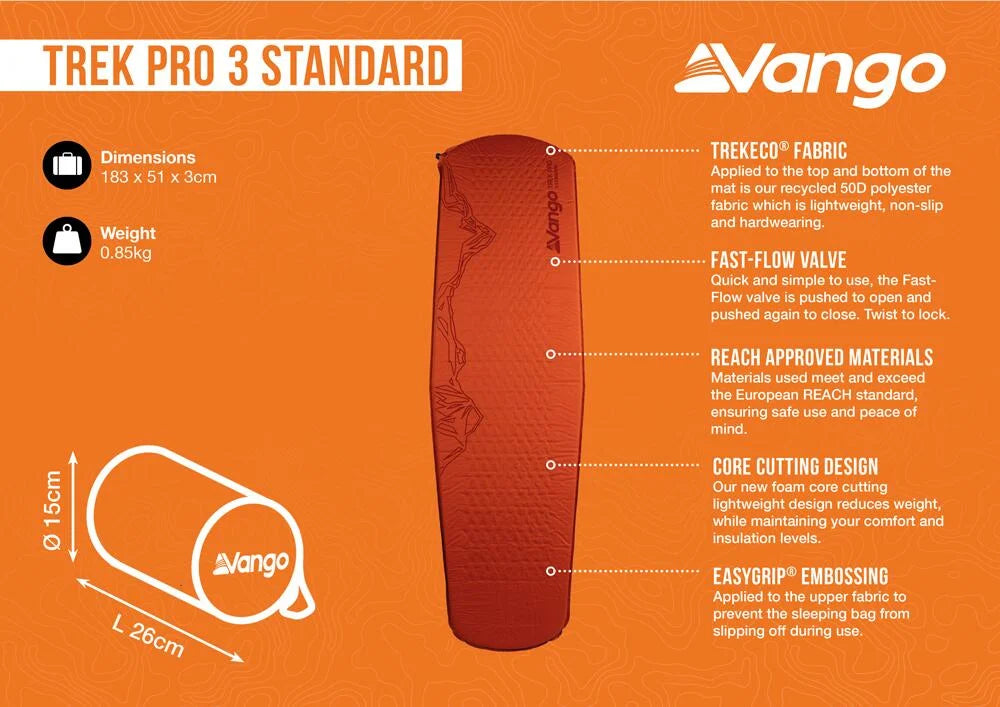
Avoid sleeping directly on rough surfaces; use a sleeping pad.
Keep the bag away from open flames or heaters.
Rotate usage if you have multiple sleeping bags to reduce wear.
Air out your bag after every trip to remove moisture and odours.
Summary
With consistent care, your Vango sleeping bag can stay warm, comfortable, and in excellent condition for years. The key points are:
1) Protect it with a liner and avoid moisture.
2) Clean gently and only when necessary.
3) Store loosely and dry completely.
4) Repair minor damage promptly and maintain zippers.
Following these steps ensures your sleeping bag remains a reliable companion on every adventure.
Shop our VANGO Sleeping bag range online